Coverage varies significantly based on where you ride, primarily regarding liability requirements and exclusions for risky behavior.
1. Designated Public Trails (State/Federal Land)
-
Mandatory Liability: Most states and provinces legally require you to carry liability insurance to ride on public trails. You often must show proof of this insurance to buy a trail permit.
-
Standard Coverage: Your policy is designed for this. If you crash into another rider or a trail sign, you are fully covered up to your limits.
-
Negligence Standard: On trails, accidents are often treated like car crashes—fault is determined by who violated trail rules (speeding, wrong side of trail).
2. Private Property (Yours)
-
The “Homeowner’s Gap”: Standard homeowner’s insurance does not cover snowmobiles once they leave your driveway. Even on your own land, many policies exclude them unless you add a specific “incidental vehicle” endorsement.
-
Guest Liability: The biggest risk here is a friend crashing your sled on your land. Without a specific snowmobile policy, you could be personally sued for their injuries.
3. Off-Trail / Backcountry (Boondocking)
-
The “Trespassing” Trap: If you venture off-trail onto private land where you do not have permission, you are trespassing. Many policies have a “Illegal Acts” exclusion that can void your coverage if you are injured or cause damage while committing a crime (trespassing).
-
Specific Exclusions: “Off-trail” riding is generally covered if it’s legal (e.g., National Forest backcountry), but insurers often strictly exclude:
-
Water Skimming: If you sink your sled while trying to skip across open water, most policies will deny the claim immediately.
-
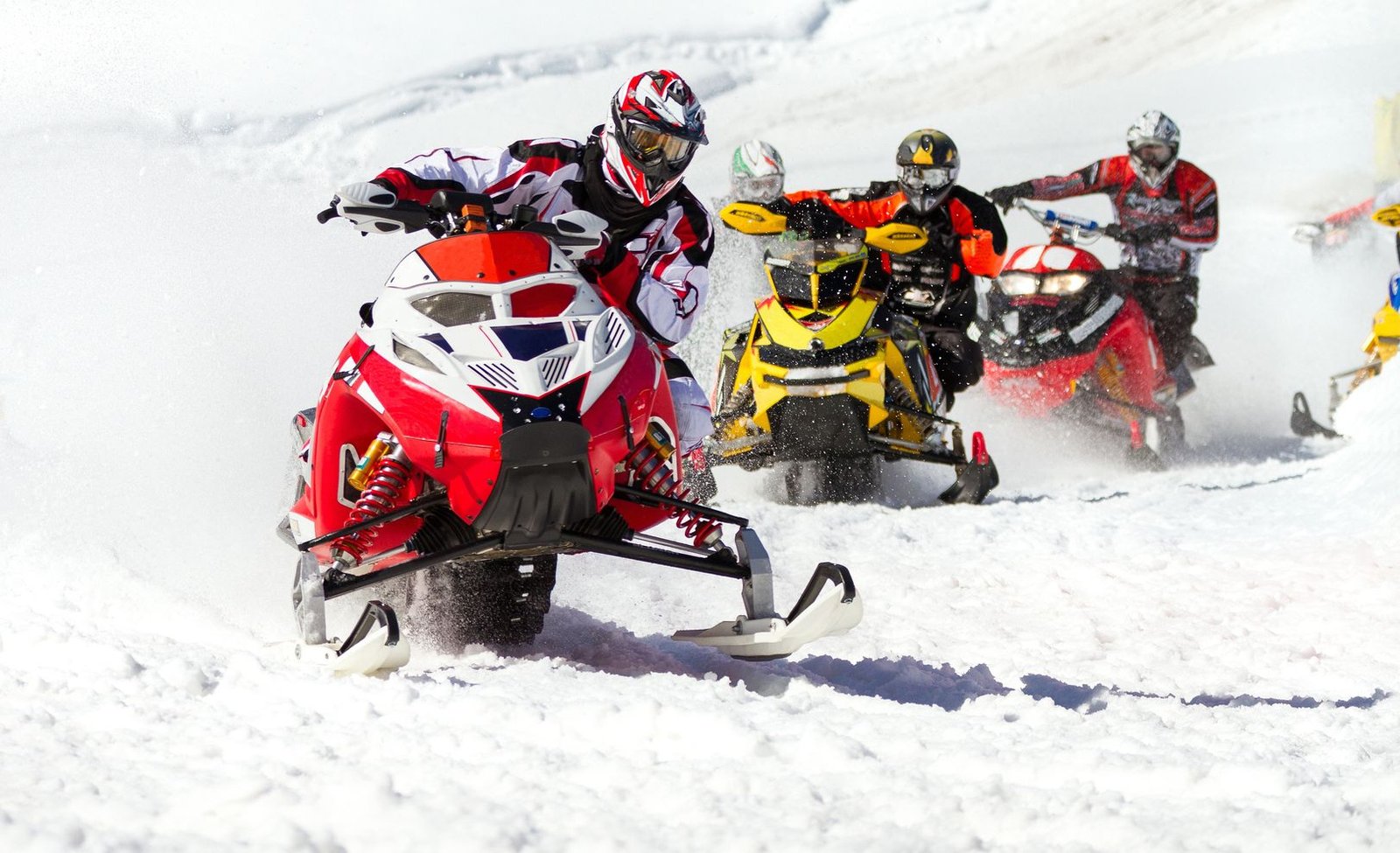
Racing: Any organized competition usually voids coverage.
-
Avalanche Zones: Some policies may exclude specific high-risk zones unless you pay for a “mountain riding” premium upgrade.
Summary Comparison